Most homes don’t advertise pressure. You feel it. The way a shower needle-pricks the skin. The way a faucet snaps from gentle to ferocious in a quarter turn. That feel, while subjective, usually traces back to one unassuming part tucked near the main shutoff: the pressure reducing valve, or PRV. When it falters, the house speaks up in other ways. Taps hiss. Toilets chatter. Ice makers weep into pans. A PRV on its last legs can seem like just another repair, but the real story is larger. Pressure touches every inch of your plumbing. A failing PRV doesn’t simply strain a few fixtures, it can expose the hidden truth about your piping and whether a repipe stands between you and calm, silent reliability.
I have replaced PRVs that resurrected a home’s serenity instantly, and I have replaced others that fixed the immediate problem while revealing a deeper illness. Knowing the difference is the art. Replacement is a wrench and a gauge. Judgment takes time, scars, and a feel for how systems age.
What a PRV Does, and Why Its Failure Is Never Quiet
A PRV sits like a governor on the main water line. City mains can push 120 to 160 psi at certain hours. Your home does not need that, and your fixtures were not designed for it. The comfort zone is usually 50 to 70 psi, set and held by a spring and diaphragm inside the valve body. When the PRV is healthy, pressure downstream stays steady, even when the street supply surges.
Failure rarely looks like a single catastrophic break. Most PRVs fail by degrees. The internal diaphragm stiffens over years. Mineral scale sneaks in and nicks the seat. Springs relax and drift. This slow decline shows up as two patterns: pressure creep and pressure volatility. Creep is the silent assassin. With all fixtures closed, pressure sneaks higher hour by hour. Volatility is the drama; a faucet explodes awake after a toilet refill, or the shower shifts from gentle to punishing when a washing machine stops. Both clue you into internal wear that no amount of wishful thinking will reverse.
There are also the odd noises. A failing PRV can whine, especially at mid-flow. You might hear hammering when a valve snaps shut. These are not ghosts, they are mechanical consequences of water moving too fast through restrictions. Left alone, that movement ruins more than your peace.
Where Pressure Meets Pipe: The Stress You Don’t See
Think of water pressure as a load the entire system carries. If the PRV allows a higher load, everything downstream feels it. Older copper joints sweat under it. CPVC gets brittle faster. Galvanized lines choke and surge when disturbed. Even modern PEX appreciates a stable working range.
The pipes themselves also tell a story. Pipes do not all age at the same pace, and they do not fail in isolation. A home with 1970s copper and numerous remodels may hold sections soldered by different hands, with different techniques and flux. I’ve cut open enough walls to see pristine runs next to joints that look like a candle melted on a hot day. Add overshoot pressure, and the weakest link shows itself first, usually at a fitting that was marginal to begin with.
A failing PRV magnifies the dynamic events that punish systems. When a fast-acting valve closes, pressure waves rebound. This is water hammer. Good pipe networks absorb those hits with soft curves, proper supports, and stable static pressure. Bad networks rattle, kink, and pass the blow along to the next fitting. When you hear chatter or feel thud, that is more than noise. It is a stress test in real time.
The Telltale Symptoms, Interpreted Instead of Ignored
The list of PRV symptoms is widely circulated, but the meaning behind them is where the decision about repipe starts to take shape.
High static pressure after fixtures sit quiet for an hour. Put a 0 to 160 psi gauge on a hose bib downstream of the PRV. If you set the PRV to 60 psi and it climbs to 90 over time, the valve is not holding closed fully. That creep loads your pipes while you sleep. Watch what happens when someone opens a tap in the morning. The first split-second blast may double the working pressure in elbows and tees. If the home has galvanized remnants or tired CPVC, this is where leaks begin.
Shower temperature swings when other fixtures open or close. That volatility says the PRV cannot regulate flow changes gracefully. If the pipes already have internal constrictions from mineral scale, the turbulence multiplies. On mixed-metal systems with aging solder joints, I often find hairline splits near the shower valve first because these areas see both thermal cycling and pressure fluctuation daily.
Appliances misbehave. Ice makers overfill. Toilets keep dribbling into the bowl. Tankless heaters throw error codes that read like alphabet soup. These units assume predictable pressure at the tap. A bad PRV turns them into victims. If you have to add feeder regulators at appliances, you are treating symptoms, not the artery.
Noise that lingers after PRV replacement. Here is a key inflection point. If you replace the PRV and the hammer remains, or you still get sudden pressure jumps, the piping is either undersized for modern fixture flow patterns or too compromised internally to carry water smoothly. This is where repipe enters the conversation with weight.
Age, Material, and the Dark Corners of a Plumbing System
The material of your existing piping acts like a time capsule.
Galvanized steel. Common in homes built before the 1960s, it rusts inward. The system may still hold pressure, but the effective diameter shrinks. When you replace a PRV and restore proper pressure, you may dislodge scale and send it downstream into valves and cartridges. If the house shows inconsistent flow room to room, and the PRV has been struggling, a repipe is often not just wise, it is economical compared to chasing one rusted joint after another.
Copper. K-type and L-type copper can last decades, but water chemistry matters. Aggressive water with a high velocity at elbows erodes copper from the inside. Pinholes appear in ceilings with no warning. The pattern is telling: clusters of pinholes along horizontal runs or within two feet of the water heater. If pressure creep has been a regular guest, copper fatigue accelerates. You can patch pinholes one by one, but the math turns quickly. Each ceiling patch and paint job costs money and patience. When pinholes stack up, repipe stops feeling like an upgrade and starts feeling like control.
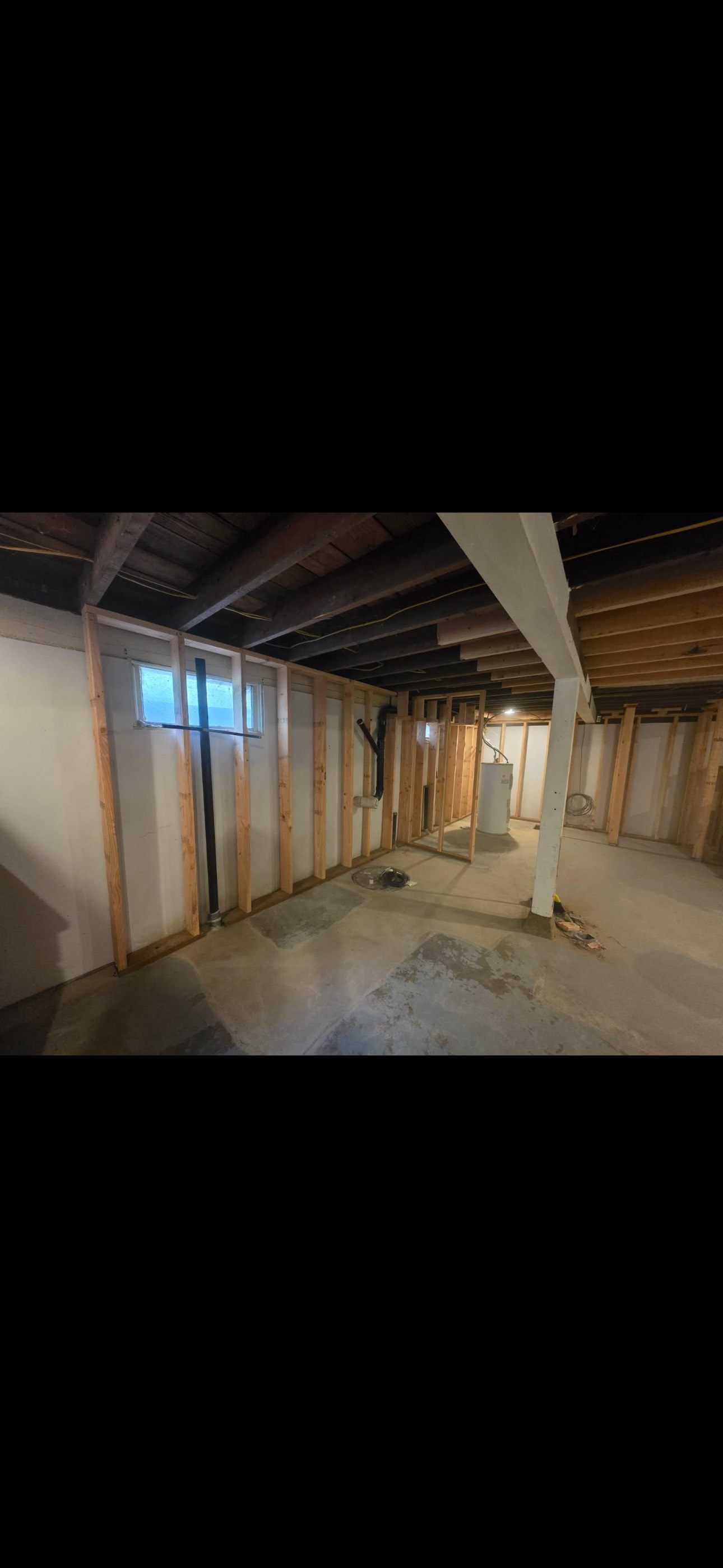
CPVC. It had a long run in installations from the late 1980s into the 2000s. It dislikes UV, certain solvents, and high sustained pressure. We see brittle fracture at glue joints and at transitions near water heaters. If your PRV has been letting pressure swing wildly, CPVC moves from acceptable to risky. Once it embrittles, it does not announce which fitting is next. A full repipe to PEX or copper removes the guesswork.
PEX. Modern cross-linked polyethylene is forgiving and pressure tolerant, especially with a good manifold design. Problems still happen: cheap fittings, poor crimping practices, or long runs draped rather than supported. A failed PRV can bring on banging and whip that stresses fittings. If the PEX is relatively new, a PRV replacement plus support corrections usually solves it. If you have a mix of old PEX types and fitting systems from multiple remodels, consider a measured repipe to a single standard. Consistency saves future service time and ensures predictable performance.
When a PRV Replacement Is Enough
There are plenty of homes where a bad PRV is the entire story. You replace it, adjust to a measured 60 psi, and the house grows quiet. You confirm with a 24-hour pressure log and spot checks while fixtures cycle. No creep, no volatility. Flow is strong and even at distant baths. If the piping is copper L or modern PEX with clean manifolds, I sleep well after a PRV swap and maybe a few water hammer arrestors at fast-acting appliances. In these cases, talking repipe would be gilding the lily.
The key is proof, not hope. I look for pressure stability, evidence of good flow across the home, and an absence of recent leak history. If cabinets and ceilings are unscarred, if shutoff valves are intact and not green with corrosion, if the home shows pride in maintenance, a PRV replacement stands on its own.
When a Failing PRV Is a Messenger, Not the Message
Now the harder truth. If a PRV has been quietly over-pressurizing for years, it may have been the only thing standing between the street and a marginal system. Fixing the valve exposes the weaknesses that pressure concealed or worsened. Here are the moments where Repipe Plumbing stops being a brochure phrase and becomes the practical path.
You have recurring leaks in different zones over 6 to 18 months. Each time, a plumber opens a wall and finds a pinhole or a split fitting, often not in the same room as the last. This is system fatigue. Replacing the PRV won’t rewind the metal’s history.
Flow is inconsistent even at moderate pressure. Two bathrooms on the same branch behave differently. Aerators clog with grit after the PRV swap. These clues point to corrosion and scale moving inside the lines. You can flush and filter, but the root remains.
You’ve patched ceilings more than once. Water stains tell a chronological story. If stains sit near each other in different rooms, leaks are not random. They track along piping that has reached its twilight.
Mixed materials and patchwork remodels complicate service. I have seen homes with galvanized risers feeding copper laterals that tie into CPVC behind a kitchen wall. Every transition is a future problem. A repipe restores a single, coherent system with known joints and predictable behavior.
In these situations, a luxury approach is clarity, not excess. Repipe is not about buying bragging rights. It is about regaining quiet confidence in your home’s hidden backbone.
The Luxury of Predictability
Luxury in plumbing is not a gold faucet. It is silence when the washing machine shuts off. It is a shower that holds its temperature with the steadiness of a metronome. It is never waking up to a soggy patch in the dining room plaster. A proper PRV and a coherent piping system deliver that level of predictability.
Mechanical reliability also protects the sensitive devices modern homes rely on. High-efficiency dishwashers, wall-hung tankless units, smart toilets with washlets, instant hot dispensers, and refrigerator valves are designed for specific pressure windows. Keep them there, and you extend service intervals and avoid nuisance errors that always seem to arrive on holiday weekends.
How We Diagnose Beyond the Valve
Real diagnosis starts with data, not guesswork. When I am evaluating whether a failing PRV is merely a valve issue or a signal to discuss repipe, I run a deliberate sequence.
First, a static and dynamic pressure profile. A gauge downstream of the PRV with a peak-hold needle tells you if pressure creeps when the house sleeps. I also measure while fixtures run individually and together: shower plus laundry, kitchen plus outdoor hose, and so on. If the PRV holds stable pressure and dynamic changes stay within a tight band, the valve is doing its job.
Second, flow and balance checks. I time sink fills and shower bucket tests at farthest fixtures. A healthy system delivers consistent flow across similar fixtures, within a small tolerance. Big gaps hint at internal narrowing.
Third, a visual audit. Access panels, under-sink shutoffs, and water heater connections reveal materials and condition. I look for verdigris blooms on copper, yellowed and chalky CPVC, unbraced vertical runs, and mixed-metal splices. I trace the material map to understand how many transitions exist and where the weak points live.
Fourth, a history read. Few homeowners track every repair, but ceilings and drywall tell stories. Fresh paint patches, mismatched texture, and water-line rings inside vanity bases are quiet admissions of past trouble. I ask about previous leaks, even if they were “small.” Patterns often surface with gentle questions.
Fifth, a stress test with water hammer arrestors and soft-close testing. If adding point-of-use arrestors at the laundry and dishwasher quiets the system entirely, you may avoid larger work. If they only mask the worst of it, we talk bigger picture.
The Economic Pivot: Repair Chasing vs. Repipe Investment
Numbers make these decisions easier. Chasing leaks in an aging system looks cheaper at first. A pinhole repair might be a few hundred dollars, plus drywall and paint. Repeat that three times across a year, and the soft costs multiply. Add a damaged floor or a weekend emergency call that runs longer than anyone wants, and suddenly the tally sits in the thousands, with none of it buying long-term stability.
A whole-home repipe is a single investment with a clean endpoint. Costs vary by region, home size, and complexity, but the range often lands between mid four figures and mid five figures. The value is in the reset. New supply lines, proper supports, modern manifolds, and a precisely set PRV return the system to calm. Insurance carriers like documented upgrades. Appraisers note them. You also stop sending money into walls that only become more crowded and fragile as years go by.
I have had clients who refused repipe three times, then called from a hotel because a ceiling collapsed above a grand piano. They spent more on restoration than the repipe would have cost two years earlier. The painful part is not the check, it is the disruption. The better path is to recognize when the PRV’s misbehavior is a flare sent up by the system, not just a valve in need of a spring.
Material Choices for a Clean Reset
If repipe is on the table, the next choice is material. The two practical contenders are copper and PEX. Both, combined with a quality PRV, deliver quiet, confident performance. Nuance matters.
Type L copper is still the reference standard for permanence. It handles heat, resists UV, and offers crisp, known behavior. It requires skill to install well. Solder quality varies by installer, and open-flame work demands access and patience. Copper prices also swing. Where we install copper, we do it for homes that value long service windows, especially where exposed mechanical rooms and accessible basements make routing clean and linear.
PEX, particularly PEX-A with expansion fittings, offers a gentle hydraulic profile. Fewer fittings in walls, long sweeping runs, and home-run manifolds reduce turbulence and noise. PEX absorbs pressure waves better than rigid pipe, and with proper supports it ages gracefully. It shines in retrofits, where we can fish lines with minimal demolition. The key is using high-quality fittings and brass that matches your local water chemistry.
Hybrid approaches exist. Copper risers in mechanical spaces with PEX lateral runs behind walls combine the strengths. The important principle is consistency. Choose a system and execute it cleanly. A mishmash of good intentions ages badly.
Setting the PRV Right, Then Protecting It
A new PRV is not a set-and-forget device. Set it with a reliable gauge while fixtures are running, then confirm static pressure after the house sits. In neighborhoods with nighttime spikes, consider a thermal expansion tank on closed systems and validate its pre-charge with the same pressure you set at the PRV. If your water heater feeds a recirculation loop, ensure the PRV handles the flow without noise, and add isolation valves to simplify future service.
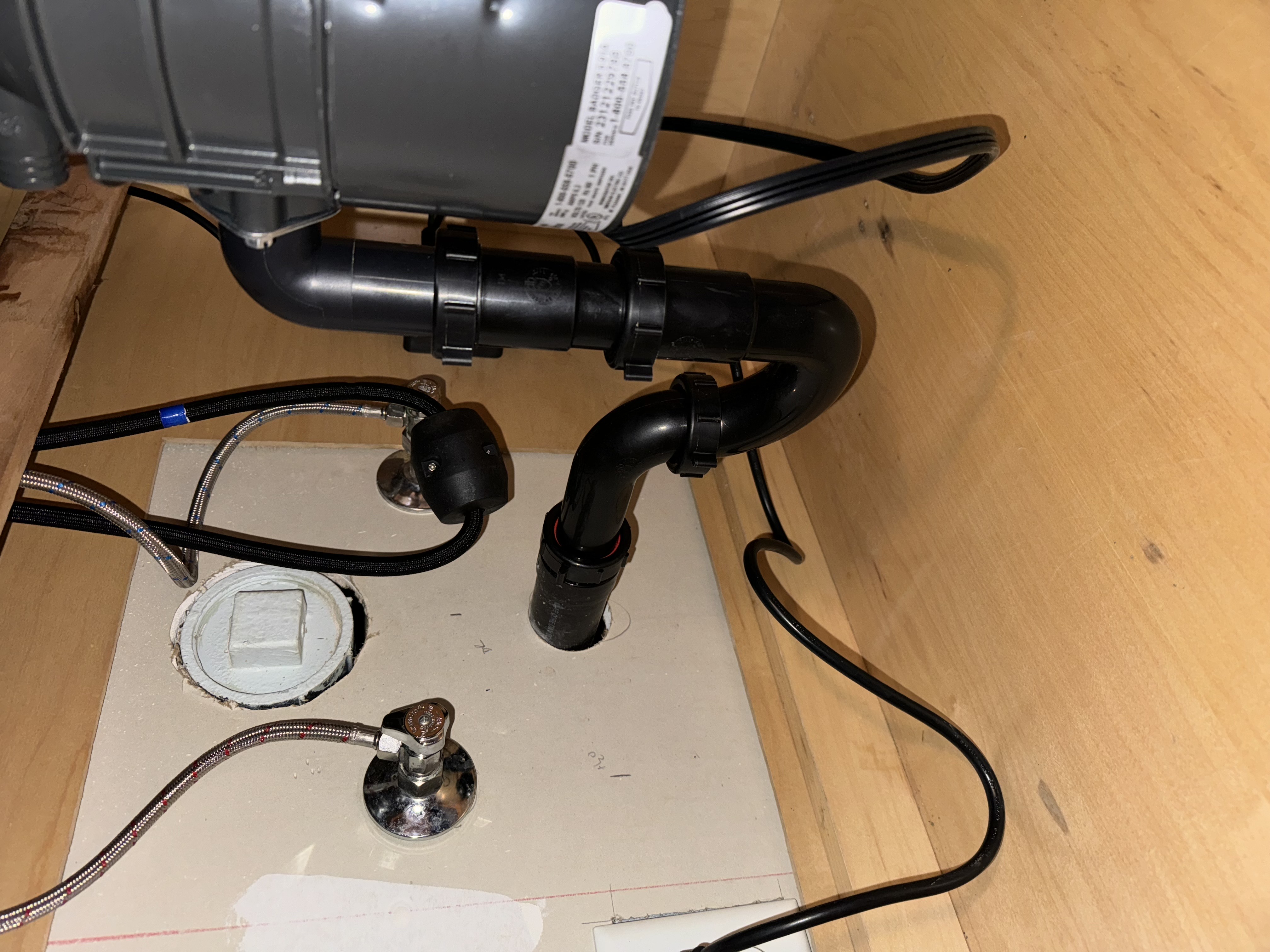
I’ve also learned to label the PRV setpoint and the date of adjustment. A small tag, a pencil note on the nearby stud, even a discreet sticker inside a mechanical closet prevents the mystery five years later when a well-meaning handyman twists the screw “a little” and sends pressure back into the red.
The Comfort Test: What a Healthy System Feels Like
After a correct fix or a repipe, daily life changes in subtle ways. The first shower of the morning feels the same as the last. A toilet refill does not dim the kitchen faucet. The washing machine no longer slaps the lines. You forget where you keep the bucket and towels. That is the mark of a plumbing system properly scaled and governed.
Clients often tell me the house sounds different. Quiet becomes the new normal. They notice the absence of tension. That is where luxury truly lives, in the removal of background stress you stopped noticing until it disappeared.
When to Call a Specialist and What to Expect
This is not a mystery anyone needs to solve alone. A specialist versed in Repipe Plumbing will not rush to sell you new pipes. A proper evaluation takes an hour or two, sometimes a day with data loggers. Expect pressure measurements, flow tests, and a frank discussion about material condition and risk appetite. A good provider will show you options along a spectrum: PRV replacement with arrestors, targeted branch repipes, or a full reset. They will also explain how work phases can be staged to minimize disruption if you choose a whole-home route.
You should also see clear costs and timelines, not guesswork. Repipe can often be done with water off for one to two days in an average home, with walls patched promptly and finishes respected. The goal is not just new pipe, it is a calm return principledplumbing.com Repipe Plumbing Clackamas to daily routine with the fewest scars.
A Final Word on Judicious Upgrades
I admire frugality that respects quality. The sweet spot sits between replacing parts for the sake of activity and ignoring what your home is trying to tell you. A failing PRV is a loud message. Sometimes it says, replace me and enjoy your quiet. Sometimes it says, I’ve been masking a network that is ready to retire. Listen carefully. Measure, do not guess. Then either make the simplest repair or step up to the full repipe that aligns with the life you want at home.
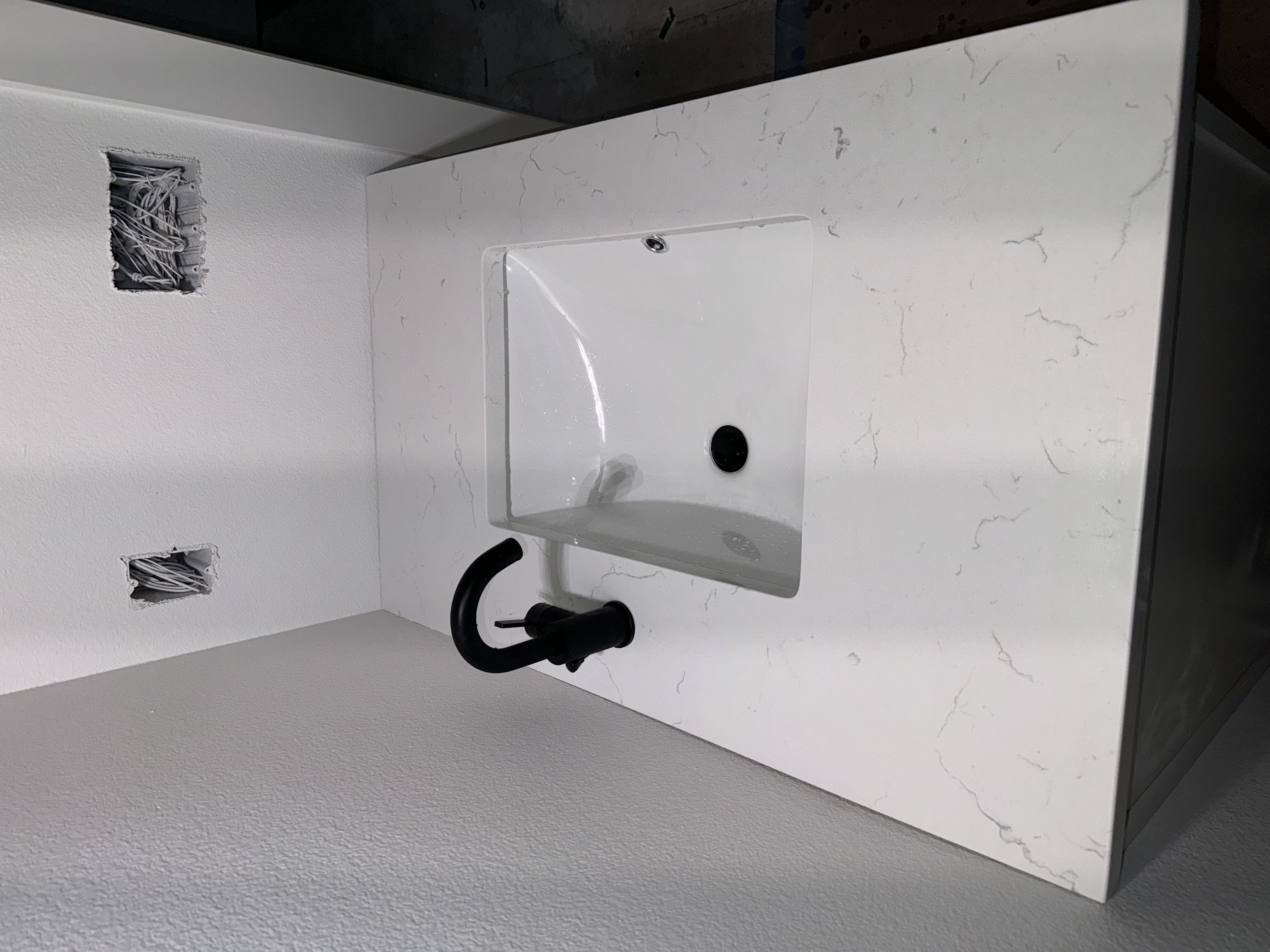
Pressure, managed well, disappears from your awareness. That is the luxury outcome. A good PRV and a coherent piping system give it to you, every day, without fanfare.
Business Name: Principled Plumbing LLC Address: Oregon City, OR 97045 About Business: Principled Plumbing: Honest Plumbing Done Right, Since 2024 Serving Clackamas, Multnomah, Washington, Marion, and Yamhill counties since 2024, Principled Plumbing installs and repairs water heaters (tank & tankless), fixes pipes/leaks/drains (including trenchless sewer), and installs fixtures/appliances. We support remodels, new construction, sump pumps, and filtration systems. Emergency plumbing available—fast, honest, and code-compliant. Trust us for upfront pricing and expert plumbing service every time! Website: https://principledplumbing.com/ Phone: (503) 919-7243