Owners who operate at scale quietly share the same refrain: water is the asset’s silent saboteur. It stains ceilings, swells baseboards, ruins finishes, and throws tenants into emergency mode at 2 a.m. One pinhole leak can swallow your cash flow for the quarter. That is why Repip e Plumbing belongs on your strategic radar, not just your maintenance list. Repiping is disruptive, sure, but it can also be the divide between a portfolio that limps from work order to work order and one that runs predictably with premium rents and low turnover.
I have managed and renovated buildings through every era of pipe: brittle galvanized, noble copper, and the newer PEX and CPVC solutions that have transformed install times. I have seen the way repiping changes the tenor of tenant conversations from complaint to compliment, and the way lenders read a line item labeled “full-system repipe” with a different posture than “ongoing Happy Valley plumbing repiping leak repairs.” If you think about plumbing as infrastructure rather than expense, the calculus shifts. The question becomes, when does it pencil out, and how do you execute without burning goodwill or breaking schedules?
Where repipe sits in an operator’s decision tree
You do not repipe for sport. You repipe when the risk curve is rising faster than you can mitigate, and when the unit economics justify proactive replacement over reactive fixes. The most common trigger is galvanized steel approaching the end of its service life. Those lines corrode from the inside, closing down flow like plaque in an artery. Tenants complain about weak showers. Water heaters die early because of sediment. Then the pinholes start. It does not get better from there.
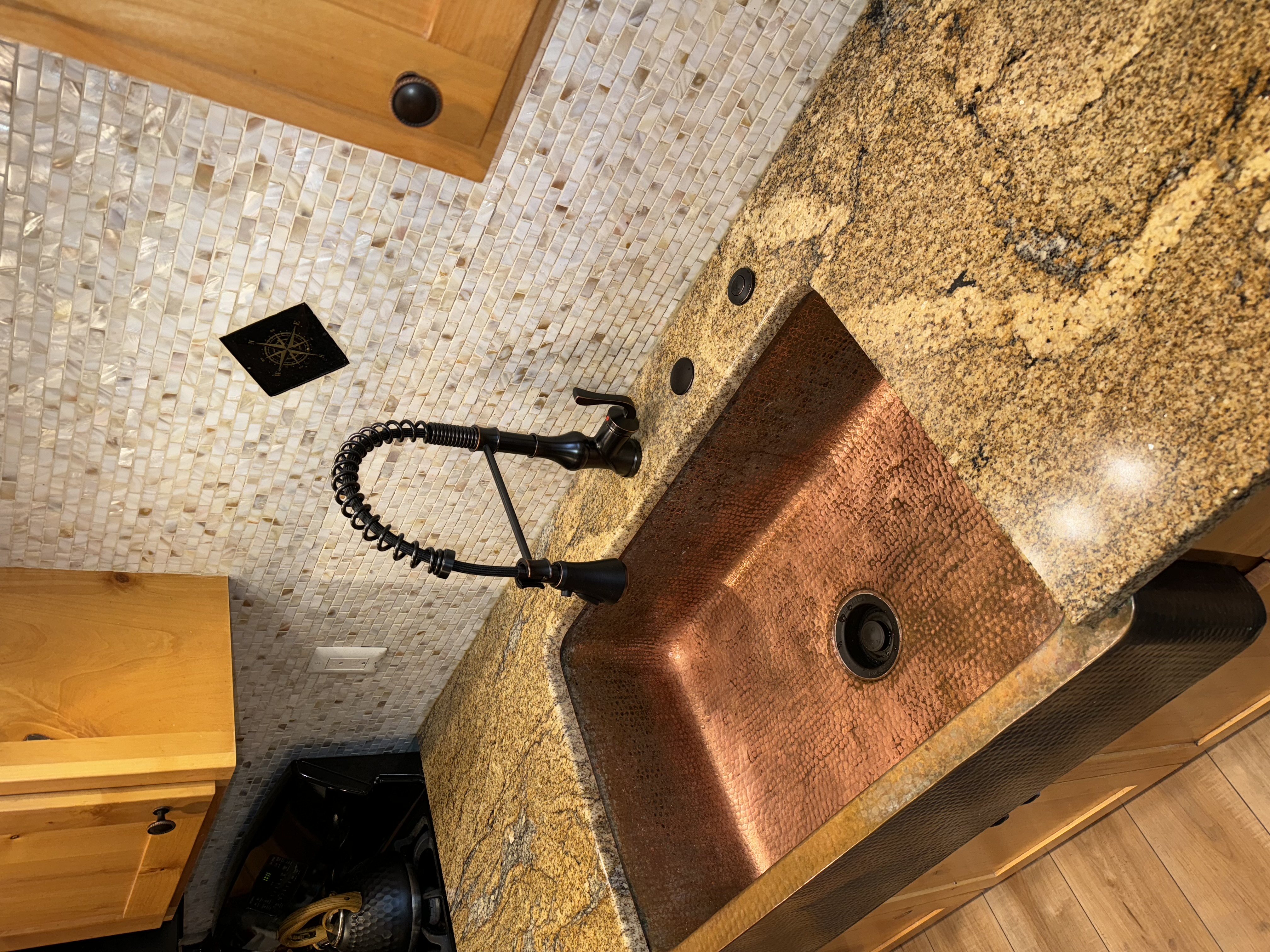
Copper has a wider quality spectrum. Type L copper with proper water chemistry can run several decades, but soft water with aggressive pH, or water district switches, can invite pitting corrosion. I have opened walls in 1990s buildings and found copper the color of a penny left in a fountain, thin enough to tear with pliers. PEX is more forgiving, with fewer fittings and quicker routes, but not all PEX is equal, and exposure to UV or improper crimping can still create a mess. CPVC has fans in some markets, yet it dislikes freezing and UV as well.
The point: materials age at different rates depending on climate, water chemistry, build quality, and maintenance. If you are inheriting a portfolio through acquisition, do not trust seller narratives. Pull a few sections during inspection, scope lines where possible, and have a master plumber and your superintendent give you separate reads. When their opinions align, you have a decision.
The money lens: from expense to IRR
Investors often balk at the sticker. A typical single-family repipe can run 6,000 to 15,000 dollars depending on layout, wall surfaces, and the need for trenching. A low-rise, garden-style building might range from 2,000 to 5,000 dollars per unit for above-slab lines, with risers and main replacements pushing totals higher. High-rises with chases and stacked wet walls can blow past 8,000 dollars per door. These are ranges, not quotes, and local labor costs matter more than material choice in many markets.
The question is not whether repipe costs more today than a patch. It always does. The question is whether the next 5 years of leak risk, tenant churn, water damage, and insurance volatility are cheaper than doing it right once. I keep a simple model handy:
- Track your rolling 24-month plumbing spend per building, including leak repairs, drywall, paint, flooring replacement, tenant concessions, and insurance deductibles. Normalize it per unit. Estimate avoided losses post-repipe. A conservative rule in older galvanized buildings is a 50 to 80 percent reduction in reactive plumbing costs within the first two years, plus fewer secondary damages. Add rental uplift. In many submarkets you can justify a 1 to 3 percent rent premium when advertising new plumbing along with fixtures and water pressure improvements. Tenants do not rent a pipe, they rent a shower that hits like a hotel and a kitchen that fills a pot fast. Stage the messaging correctly and it has value. Factor vacancy savings. Emergencies drive unplanned vacancy. Controlled repipe with scheduled access typically does not.
When that model shows a two to five year simple payback, it is almost always the right move, especially if you plan to refinance or sell. Underwriting teams appreciate capital improvements that cut operating risk. Repipe Plumbing is not a vanity upgrade. It is like rewiring a panel that has burned twice. You can price risk once, or you can keep paying it in installments.
Material choices that serve landlords
You are not performing a museum restoration. You want systems that reduce leak potential, speed installation, and stay serviceable. That is why most operators land on PEX with home-run manifolds wherever practical. Copper still has a place in certain high-end builds or for exposed runs, and CPVC can work in specific climates. The trade is not just cost per foot. It is the number of fittings hidden in walls, the ease of future repairs, and how forgiving the material is if your walls shift, your water has minerals, or your tenants are less than gentle.
PEX shines on all three. Fewer joints inside cavities mean fewer failure points. Manifolds centralize isolation, so you can shut off a single bathroom without killing water to the whole unit stack. An onsite tech with the right tool can make a clean repair in minutes. There is elegance in being able to respond fast, and tenants feel that responsiveness as quality.
That said, public perception still matters in luxury rentals and historic renovations. Some residents equate copper with quality. If your brand rests on visible materials, consider a hybrid approach: copper for visible runs and PEX where it disappears into walls. The cost may rise, yet the optics can support premium positioning.
The quiet tax of doing nothing
I once kept a 1960s twelveplex limping along because it looked fine on paper. The prior owner swore by “only a couple leaks a year.” Within twelve months we had six, all in inconvenient places. Two units needed new vinyl plank, one required cabinet bases rebuilt. Insurance covered one major loss, then re-rated the building. Deductible went up, premium followed. My annualized “savings” from not repiping disappeared in under nine months. Worse, two tenants left over the disruption. Backfilling mid-lease in shoulder season is nobody’s idea of luxury operations.
Delaying a repipe taxes your reputation quietly. Online reviews that mention leaks die hard. Renewal conversations get harder when your tenant remembers buckets in the hallway. The building might be structurally sound, the finishes immaculate, but water problems carry a stigma that staging cannot overcome. When your brand leans premium, reliability is part of the promise.
How repipes actually run in occupied buildings
The fear is always demolition chaos. Operators imagine drywall dust everywhere, angry residents, blown timelines. Reality is calmer when you stage it with discipline. A competent repipe contractor will map wet walls, stack alignments, and chase options before demo. They will propose routes that minimize opening finishes, often running new lines through closets or soffits. The best teams coordinate with drywall, paint, and cleaning as a single package, so you get one schedule and one point of accountability.
I prefer phased riser-by-riser execution in multifamily. You block a three to five day window per vertical stack, provide notice with a precise daily water-off schedule, and offer temporary passes to a model unit as a courtesy. Wrapped properly, you can keep tenants functional most of the day, with water back on nights and weekends. For single-family rentals, crews can execute a full rough-in in one to two days, then patch and paint over another one to two, assuming normal complexity.
Expect surprises. Old buildings hide sins. You will open a wall and find a previous owner’s improvisation. That is why buffer time belongs in the schedule. Build contingency into your dates and your budget. The calm tone of your notices matters. Residents accept disruption when you communicate like a concierge, not a contractor.
What your notices should actually say
Use plain language, specific times, and amenities that feel considered. A sample structure that has worked for me:
- The date range, and the exact hours water will be off each day. A short reason: upgrading building plumbing to improve water pressure and reliability. Assurances: daily cleanup, floor protection, and emergency access protocols. Access plan: how keys will be handled, how pets are protected, and whom to call with concerns.
Keep it polite but firm. Offer bottled water on the first morning as a gesture. Small touches buy patience.
Risk management and insurance
Repipe changes your risk posture, and carriers notice. Some insurers will offer better terms once you document age and material of the new system, along with photos and contractor warranties. Others simply smile and move on, but I have seen deductible reductions and avoided surcharges on older stock after a repipe.
Ask your contractor for certificates of insurance naming your entity as additional insured, with clear limits and completed-operations coverage. Confirm that their warranty spells out material and labor coverage terms, and what triggers a callback. Store before-and-after photos in a central folder tied to each unit. Lenders and underwriters like documentation, and you will appreciate it at disposition.
When repipe is not the answer
Not every leak means a system is toast. I would not repipe:
- A newer building with a localized failure from an obvious cause, like a nail through a line during a cabinet install. A portfolio you plan to hold for less than a year, unless buyer underwriting demands it or you can capture the value in the sale price. A historic property where invasive work would wipe out original finishes, unless leaks are chronic and conservation is no longer defensible.
Targeted replacement, coordinated valve upgrades, and adding isolation points can buy time in these cases. But recognize borrowed time for what it is. If secondary damages keep piling up, the math will flip.
Selecting the right partner, not just a low bid
Ask plumbers how they handle occupied units. If their answer starts and ends with “we’ll make it work,” keep searching. You want a plan for dust control, daily cleanup, photo logs, and tenant communication. You want a foreman who has run multifamily stacks and can pull resources if a riser surprises you. Ask them to walk a building and propose routing with you present. Watch how they talk about patching. If they shrug off sheetrock and paint like an afterthought, they will also shrug off your reviews.
Scope clarity saves you grief. Specify which fixtures are being replaced, whether angle stops and supply lines are included, and if hose bibbs and common-area lines are part of the scope. Confirm that wall patching matches existing textures, not just a “smooth patch in a textured room,” which will glow under light. Include daily vacuum and wipe-down requirements. These details feel tedious until you are explaining a white dust film on a walnut dresser to a justifiably upset resident.
Valves and access: where landlords win or lose hours
Repipes are a rare chance to make future maintenance civilized. Insist on ball valves, not gate valves. Gate valves stick when you need them most. Place isolation valves logically, label them, and photograph their locations for your maintenance team. Add access panels where reasonable. Someday, someone will thank you as they avoid opening a wall during a minor repair. Ten minutes spent on panel placement now can save hours later.
While you are in the walls, look for a few worthwhile add-ons. Dielectric unions where you transition metals. Proper pipe insulation on hot lines to reduce heat loss. Hammer arrestors at quick-closing valves like washing machines and dishwashers to tame noise and shock. These are small costs that signal quality to residents and inspectors.
Water quality and lifespan
Pipes do not fail in a vacuum. Water chemistry drives lifespan. If your district is known for aggressive water or heavy mineral content, consider consulting a water treatment specialist. A whole-building filtration or conditioning system can extend fixture and pipe life, reduce water heater scaling, and keep tenants happy when their shower heads do not clog every six months. Do not oversell it, and avoid gimmicks, but a basic sediment filter at the point of entry can be a low-cost helper, especially in older neighborhoods with periodic main breaks.
Tenant experience as a strategic asset
Luxury is a feeling before it is a finish. A leak-free building where water pressure feels hotel-grade and hot water arrives promptly does more for perceived quality than a quartz vanity ever will. Tenants notice when kitchen faucets do not sputter, and when the washing machine fills briskly without stealing pressure from the shower. They also notice professionalism during disruption. Provide clear schedules, stick to them, and conduct daily walkthroughs to make sure crews wiped surfaces and removed debris. If a contractor misses something, catch it before your resident does.
Consider sequenced upgrades that pair well with a repipe: new fixtures, modern trim kits, and a handful of elegant touch points, like pull-down kitchen faucets or thermostatic shower valves in top-tier units. These choices photograph well and provide everyday enjoyment. When paired with the invisible upgrade behind the walls, they justify Repipe Plumbing better rents and stronger renewals.
Numbers that matter post-project
Treat the repipe as a mini case study. Capture the baseline and measure the change. Track:
- Reactive plumbing tickets per 100 units, before and after. Average days to close plumbing tickets, before and after. Insurance claims related to water, frequency and severity. Resident satisfaction on maintenance surveys, specifically plumbing line items.
If those numbers do not move, something went wrong. Most of the time, they move decisively. Share the delta with your team and your lender. Good operations deserve to be visible.
The ROI of predictability
Real estate punishes operators who ignore recurring risk. Water is the most expensive recurring risk that still fools people because the first few leaks seem cheap. The fifth is not. The tenth can be catastrophic. Repiping is not glamorous. It is infrastructure stewardship. It buys you predictability, and predictability is how you win in operations, in refinancing conversations, and in disposition narratives.
Think of Repipe Plumbing as an alignment service for your portfolio. It straightens out a system you rely on every hour of every day. If your buildings are approaching the edge with aging pipes, rising leaks, and uneasy tenants, it is time to run the numbers with clear eyes. Structure the project thoughtfully, choose materials that suit your brand and climate, and communicate like hospitality, not construction.
The day after the last wall is painted, no one will throw a parade. They will simply take a shower that feels right, close the door, and stay another year. That quiet renewal, multiplied across doors, is what turns a capital project into a compounding asset.
Business Name: Principled Plumbing LLC Address: Oregon City, OR 97045 About Business: Principled Plumbing: Honest Plumbing Done Right, Since 2024 Serving Clackamas, Multnomah, Washington, Marion, and Yamhill counties since 2024, Principled Plumbing installs and repairs water heaters (tank & tankless), fixes pipes/leaks/drains (including trenchless sewer), and installs fixtures/appliances. We support remodels, new construction, sump pumps, and filtration systems. Emergency plumbing available—fast, honest, and code-compliant. Trust us for upfront pricing and expert plumbing service every time! Website: https://principledplumbing.com/ Phone: (503) 919-7243